Blog
7 Transmission/Drivetrain Components You Might Replace Now: Prime Spare Parts Insights


The performance and longevity of a vehicle depend significantly on its transmission and drivetrain components. These critical systems enable the efficient transfer of power from the engine to the wheels, ensuring smooth acceleration and optimal fuel efficiency. Over time, wear and tear can compromise the integrity of these components, necessitating maintenance or replacement to prevent more severe issues.
Regular inspection and timely replacement of worn-out transmission parts can significantly enhance a vehicle’s overall performance. For those with manual transmissions, understanding the importance of manual transmission parts is crucial. Similarly, for vehicles relying on Transtar transmissions, knowing about transtar transmission parts can be beneficial.
Key Takeaways
- Regular maintenance of transmission and drivetrain components is crucial for vehicle performance.
- Replacing worn-out parts can enhance fuel efficiency and overall vehicle longevity.
- Understanding the specific needs of your vehicle’s transmission type is essential.
- Timely inspections can help identify potential issues before they become major problems.
- Knowledge of manual and Transtar transmission parts can aid in making informed decisions.
Why Transmission and Drivetrain Maintenance Cannot Be Ignored
The importance of maintaining transmission and drivetrain components cannot be overstated. Regular checks and timely replacements can significantly enhance vehicle performance and longevity.
Warning Signs of Failing Drivetrain Components
Warning signs include unusual noises, vibrations, and difficulty in gear shifting. For instance, a failing car clutch may slip or hesitate, indicating the need for inspection. Early detection can prevent further damage.
The Financial Impact of Delayed Replacements
Delaying replacements can lead to increased transmission parts cost. For example, replacing a worn-out manual car clutch or automatic car clutch early on can save significant repair costs. A comparative analysis of maintenance costs versus replacement costs is shown below.
| Component | Maintenance Cost | Replacement Cost |
|---|---|---|
| Manual Car Clutch | $100-$300 | $500-$1000 |
| Automatic Car Clutch | $150-$400 | $800-$1500 |
7 Critical Transmission Parts and Drivetrain Components Worth Replacing
The transmission and drivetrain are vital systems in your vehicle, comprising several key components that may require replacement over time. Understanding these components and their maintenance needs can help prevent breakdowns and ensure your vehicle runs smoothly.
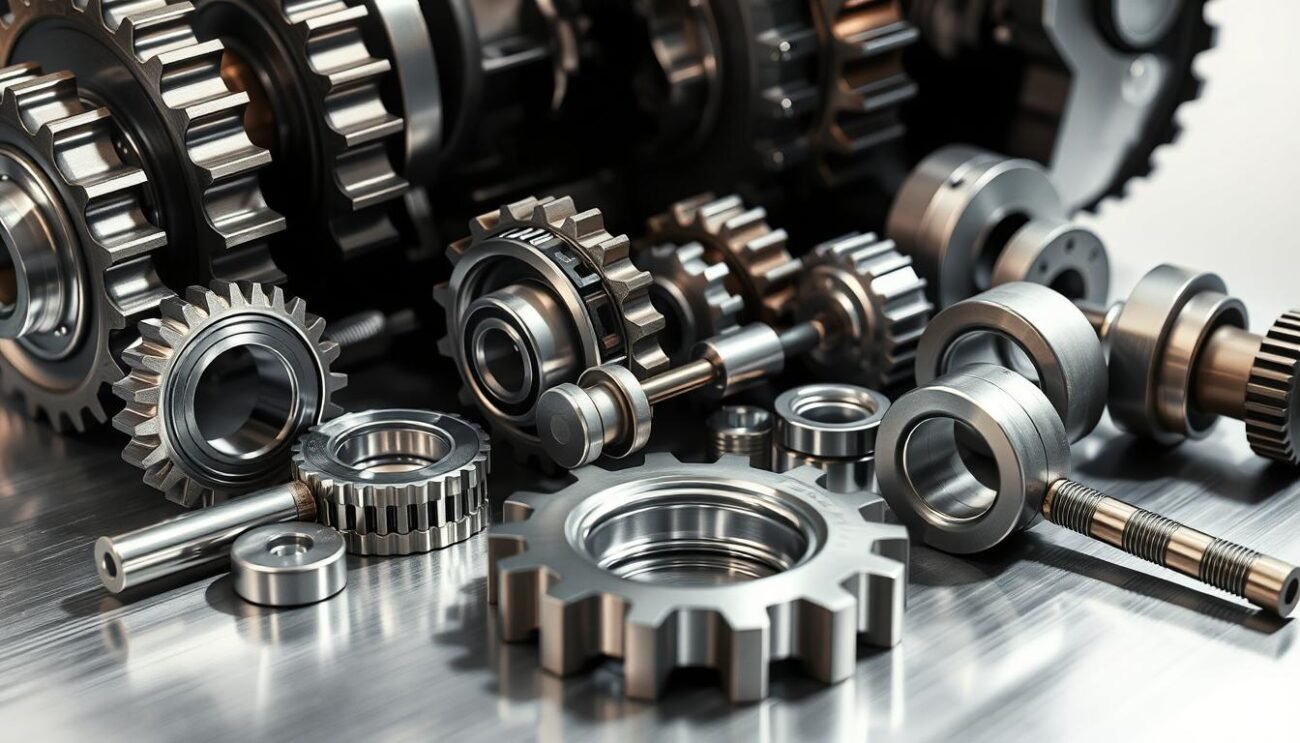
1. Clutch Assembly: Performance Upgrades and Replacements
The clutch assembly is a critical component in manual transmissions, responsible for engaging and disengaging the engine from the transmission. Worn-out clutch assemblies can lead to slipping, jerking, or failure to engage gears properly.
Manual vs. Automatic Clutch Considerations
Manual transmissions require clutch replacement more frequently than automatics. When replacing, consider upgrading to a high-performance clutch for improved durability and responsiveness.
When to Choose OEM vs. Aftermarket Options
When selecting a replacement clutch, decide between OEM (Original Equipment Manufacturer) parts for exact fitment and aftermarket options for potential performance upgrades. Aftermarket clutches can offer improved performance, but ensure they meet your vehicle’s specifications.
2. Transmission Fluid and Filter Systems
Transmission fluid and filters play a crucial role in maintaining the health of your vehicle’s transmission. Regular changes can prevent wear and tear on moving parts.
Synthetic vs. Conventional Fluid Benefits
Synthetic transmission fluids offer superior thermal stability and lubrication properties compared to conventional fluids, potentially extending the life of your transmission.
Extended Service Intervals with Quality Filters
Using high-quality transmission filters can help maintain clean fluid and extend service intervals. This can lead to cost savings and reduced maintenance over time.
3. CV Axles and Half-Shafts: Critical Driveline Components
CV axles and half-shafts transmit power from the transmission to the wheels. Worn or damaged axles can cause vibrations, noise, and loss of power.
Signs of Axle Wear and Failure
Common signs of axle wear include clicking or clunking noises, vibrations during acceleration, or grease leakage. Addressing these issues promptly can prevent further damage.
Selecting Heavy-Duty Replacements for Performance Vehicles
For performance vehicles, selecting heavy-duty replacement axles can improve durability and handle increased torque. Consider upgraded materials and designs for enhanced performance.
4. Differential Gears and Bearing Assemblies
Differential gears and bearings are crucial for smooth power distribution to the wheels. Worn or damaged differentials can cause noise, vibration, and reduced traction.
Performance Ratio Options for Various Driving Needs
Choosing the right differential gear ratio can significantly impact your vehicle’s performance. Consider your driving needs, such as racing or towing, when selecting a ratio.
Precision-Matched Gear Sets for Smooth Operation
Precision-matched gear sets in differentials ensure smooth operation and minimize wear. Look for high-quality gear sets designed for your specific vehicle make and model.
5. Torque Converter Upgrades for Automatic Transmissions
The torque converter is a critical component in automatic transmissions, facilitating the transfer of power from the engine to the transmission.
Stall Speed Considerations for Different Applications
When upgrading a torque converter, consider the stall speed suitable for your application. Higher stall speeds can improve performance, but may affect daily driving comfort.
Lockup Converter Benefits for Fuel Economy
Lockup torque converters can improve fuel economy by directly connecting the engine to the transmission at certain speeds, reducing slippage and energy loss.
6. Driveshaft and Universal Joint Assemblies
Driveshafts and universal joints transmit power from the transmission to the differential. Worn or damaged components can cause vibrations and noise.
Aluminum vs. Carbon Fiber Options for Weight Reduction
When replacing driveshafts, consider lightweight materials like aluminum or carbon fiber to reduce weight and improve power delivery.
Balancing Requirements for High-Speed Operation
Proper balancing of driveshafts is crucial for high-speed operation to prevent vibrations and damage. Ensure that any replacement driveshaft is properly balanced.
7. Transmission Mounts and Support Bushings
Transmission mounts and support bushings help isolate vibrations and support the transmission. Worn mounts can lead to increased vibration and noise.
Polyurethane vs. Rubber Mount Durability
Polyurethane mounts offer improved durability over traditional rubber mounts, but may transmit more vibration. Choose based on your priorities between durability and comfort.
Vibration Isolation Properties of Various Materials
Different materials offer varying levels of vibration isolation. Consider your driving needs and preferences when selecting replacement mounts and bushings.
Replacing these critical transmission and drivetrain components can significantly enhance your vehicle’s performance, reliability, and longevity. Regular maintenance and timely replacements are key to avoiding costly repairs down the line.
Conclusion: Investing in Quality Drivetrain Components for Long-Term Reliability
Maintaining a vehicle’s transmission and drivetrain is crucial for its overall performance and longevity. By investing in quality components, such as transmission parts by VIN, and replacing worn-out parts like automatic car clutch and brake systems, vehicle owners can significantly enhance their vehicle’s reliability.
For those looking to replace or upgrade their drivetrain components, exploring options like old car axles for sale or second-hand car axles for sale can be a cost-effective solution. However, it’s essential to prioritize quality and compatibility to avoid further damage to the vehicle.
By choosing the right drivetrain components and maintaining them properly, vehicle owners can enjoy improved performance, reduced repair costs, and an extended vehicle lifespan. Regular maintenance and timely replacements are key to ensuring the long-term reliability of a vehicle’s transmission and drivetrain.
FAQ
What are the most common transmission parts that need replacement?
Common transmission parts that may need replacement include clutch assemblies, transmission fluid and filter systems, CV axles, differential gears, torque converters, driveshaft and universal joint assemblies, and transmission mounts.
How do I know if my clutch assembly needs replacement?
Signs that your clutch assembly may need replacement include slipping or difficulty shifting gears, unusual noises when pressing the clutch pedal, and a burning smell.
What is the difference between OEM and aftermarket transmission parts?
OEM (Original Equipment Manufacturer) parts are made by the vehicle’s manufacturer, while aftermarket parts are made by third-party companies. OEM parts are generally considered to be of higher quality, but aftermarket parts can be more affordable.
What are the benefits of using synthetic transmission fluid?
Synthetic transmission fluid provides better lubrication and wear protection than conventional fluid, and can help to extend the life of your transmission.
How often should I replace my CV axles?
CV axles should be replaced when they show signs of wear or damage, such as vibration or noise when driving. The frequency of replacement will depend on the vehicle’s make and model, as well as driving conditions.
What are the signs of a failing driveshaft or universal joint?
Signs of a failing driveshaft or universal joint include vibration, noise, or shaking when driving, especially when accelerating or decelerating.
Can I replace transmission mounts and support bushings myself?
While it’s possible to replace transmission mounts and support bushings yourself, it’s generally recommended to have a professional mechanic do the job to ensure proper installation and avoid damage to other components.
What are straight cut gears, and are they suitable for my vehicle?
Straight cut gears are a type of gear that can provide improved performance and responsiveness. They are often used in high-performance vehicles, but may not be suitable for all vehicles or driving conditions.
How do I choose the right transmission parts for my vehicle?
To choose the right transmission parts for your vehicle, consider factors such as the vehicle’s make and model, driving conditions, and performance needs. Consult with a mechanic or transmission specialist to ensure you’re getting the right parts for your vehicle.